
Music Planning for Mixed Ages That Works
A packed dance floor can disappear fast when the music only speaks to one group. You see it at weddings, anniversaries, school events, and family parties all the time. Good music planning for mixed ages is not about stuffing every era into one playlist. It is about reading the room, pacing the night, and giving each age group a reason to feel included without making the event feel scattered.
That balance matters more than most hosts expect. A room with teenagers, parents, coworkers, and grandparents does not respond the same way as a single-age crowd. What gets one group excited may send another group back to their seats. The best results come from a plan that blends familiar songs, smart timing, and enough flexibility to adjust once the event is underway.
Why music planning for mixed ages is different
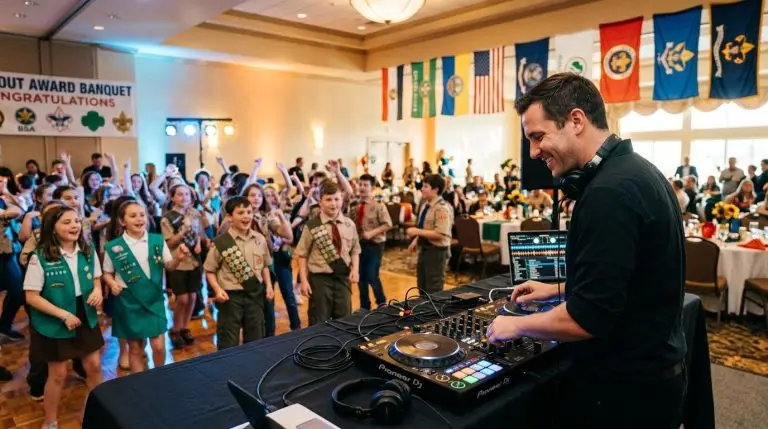
A mixed-age event has more moving parts than a typical party. At a wedding, you may have guests from age 7 to 77. At a company celebration, there may be younger employees who want current hits and older staff members who would rather hear proven favorites. At a school function with families present, the playlist has to stay appropriate while still feeling fun.
The challenge is not simply song selection. It is managing energy across the full event. Early music needs to set the right mood without dominating conversation. Dance music needs to build naturally. Specialty moments, from introductions to anniversaries and dedications, should feel personal without breaking the flow. When music is planned well, guests barely notice the strategy behind it. They just feel like the event works.
Start with the event itself, not the songs
Before anyone starts naming artists, it helps to get clear on what kind of event you are hosting. A wedding reception needs a different arc than a birthday party. A corporate event often calls for cleaner transitions and broader appeal. A family reunion may lean more heavily on nostalgia, while still leaving room for newer songs that keep younger guests interested.
That is why the first question should be, what does success look like for this event? Some hosts want an active dance floor from start to finish. Others want a comfortable, social atmosphere with dancing later in the evening. Some want a little bit of everything. Once that goal is clear, the music plan can support it.
The guest list also tells you a lot. If most attendees are adults over 40, current chart music should probably be used more selectively. If there are many teens and young adults, the night needs enough modern material to feel current. If the event includes several generations in equal numbers, the best approach is usually a balanced rotation rather than long stretches devoted to one style or decade.
Build around shared recognition
The safest foundation for mixed-age crowds is music people know quickly. That does not mean every song has to be old or obvious. It means the event should include songs with broad recognition and a strong response across age groups.
For many events, that includes party classics, sing-along favorites, Motown, disco, pop from the 80s and 90s, country crossover hits, and select current songs with wide appeal. These are the tracks that bring different generations together because they create a common moment. Guests do not need to agree on every genre to respond to something familiar and fun.
That said, broad appeal should not turn into bland programming. If every song feels overly safe, the event can lose personality. The better approach is to use well-known crowd favorites as anchors, then mix in songs that reflect the host’s taste, the audience’s preferences, and the overall mood of the celebration.
Pacing matters as much as song choice
One of the biggest mistakes in music planning for mixed ages is playing too hard, too early. A room full of guests needs time to settle in. During cocktails, dinner, or early arrivals, the music should support the atmosphere rather than compete with it. This is where tasteful background music and mid-tempo selections do a lot of work.
As the event progresses, energy can build in stages. A few familiar upbeat songs may get the first dancers out. After that, the set can open up with stronger dance material once guests are ready. If the room responds well, the music can stay energetic for longer stretches. If not, the right move may be to pivot toward songs that encourage group participation rather than club-style momentum.
This is especially true when older guests and younger guests are both important to the event. If the dance floor is filled with older family members early on, it makes sense to support that moment before shifting into newer material. If younger guests are eager to dance later in the night, they should get their moment too. Good pacing helps both groups feel seen.
Requests can help, but they need direction
Hosts often ask whether they should take requests from guests. The honest answer is that it depends on the event. Requests can add excitement and make guests feel included. They can also derail the flow if there is no structure.
A better option is to collect input ahead of time from key people, such as the couple, family members, or event organizers. That gives you a stronger sense of must-play songs, do-not-play selections, and genres to favor. During the event, requests can still be welcomed, but they should fit the tone, the age mix, and the plan for the night.
That is where experience really shows. A song that seems like a good request in the moment is not always the right song for the room. The DJ has to judge whether it will lift the energy, clear the floor, or shift the vibe too sharply. The goal is not to play every request. The goal is to keep the event moving in the right direction.
Think in moments, not just genres
For mixed-age events, it helps to think beyond simple categories like pop, rock, country, or hip-hop. Guests respond to moments. A sing-along moment feels different from a line dance moment. A romantic slow dance feels different from a burst of high-energy throwbacks. A family-friendly party anthem creates a different reaction than a deep cut from a favorite decade.
When you plan by moment, the music becomes easier to shape. You can create sections of the evening that invite broad participation, then transition into more specific tastes as the crowd settles into the night. That keeps the event from feeling random.
For example, a wedding reception might start with familiar cocktail music, move into warm dinner selections, build with classic dance favorites, then shift into more current hits once the floor is established. A corporate holiday party might lean more heavily on widely recognized party songs and lighter crossover music that avoids alienating any one group. The same principle applies, even though the details change.
Clean edits and professionalism matter
At mixed-age events, the technical side of music selection matters more than some people realize. Songs may need radio edits or cleaner versions. Volume needs to match the part of the event. Transitions should feel smooth instead of abrupt. Announcements should be confident and clear without becoming intrusive.
This is one reason professional DJ service brings real value. A well-prepared DJ is not just pressing play. They are managing timing, mood, appropriateness, and guest response all at once. They are watching the room, adjusting when needed, and keeping entertainment aligned with the overall schedule.
That level of coordination can make a major difference at milestone events, where the host already has enough to think about. It reduces stress and helps the night feel polished from the first song to the last dance.
What hosts should decide ahead of time
The strongest events usually have a few clear decisions made in advance. It helps to identify any must-play songs, any songs to avoid, and whether there are key age groups that should be prioritized at certain points in the evening. If there are formal moments such as introductions, spotlight dances, or anniversary recognitions, those should be part of the music plan too.
It is also helpful to be realistic. No playlist will make every single guest happy all night long. That is not the standard. Success means most guests feel included, the event stays on track, and the music supports the kind of experience you want people to remember.
That is where thoughtful planning pays off. When the soundtrack fits the crowd, people stay engaged longer, transitions feel easier, and the event has a natural rhythm. Guests may remember a favorite song or a packed dance floor, but what they are really responding to is the feeling that the night came together the way it should.
If you are planning an event with a wide age range and want the music handled with experience and care, professional guidance can save time and prevent a lot of guesswork. Call DJ-BrianC at (207) 212-6560 to book or have your questions answered!