Uplighting for Wedding Reception Spaces
The fastest way to make a reception room feel finished is often not the centerpiece, the linens, or even the head table. It is the lighting. Thoughtful uplighting for wedding reception spaces can take a plain hall, barn, ballroom, or function room and give it warmth, depth, and personality in a matter of minutes.
For many couples, that matters more than they expect. You may only have a few hours in the room, and not every venue starts with dramatic architecture or built-in ambiance. Uplighting helps shape the mood guests feel when they walk in, and it helps your photos look more intentional from the first dance to the last song.
What uplighting does at a wedding reception
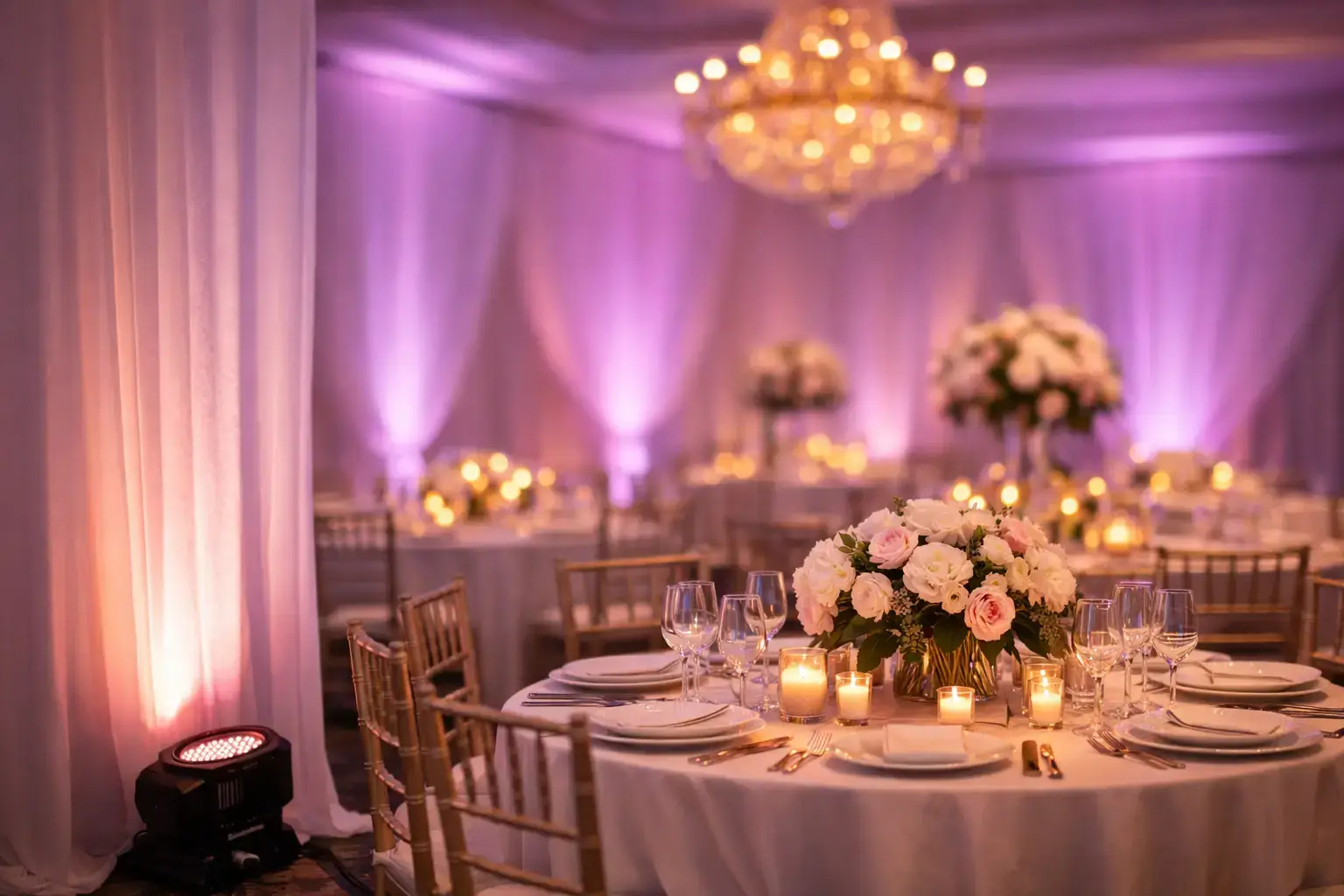
Uplighting is a lighting effect placed around the room, usually at floor level, aimed upward against walls, columns, draping, or architectural features. Instead of lighting people directly like a spotlight, it adds color and dimension to the room itself.
That distinction is important. Good reception lighting should support the event, not overpower it. Uplighting works in the background, but it changes the entire look of the space. A room can feel elegant, romantic, energetic, or modern depending on the color choices and how the lighting is used throughout the evening.
It also helps tie your design together. If your wedding colors include soft amber, blush, cool blue, lavender, or deep purple, uplighting can reinforce that palette without adding more physical decor. In many cases, lighting does more to transform a room than another layer of table detail ever could.
Why uplighting for wedding reception planning is worth considering
Couples sometimes see lighting as an extra, then realize later it affects nearly every part of the guest experience. The room sets the tone before dinner begins. It frames your entrance. It supports the dance floor energy after formalities are over.
There is also a practical side. Some venues have bright overhead fixtures that make the room feel flat, while others are so dim that the space loses definition. Uplighting helps balance that. It can soften a room that feels too harsh or add life to one that feels too plain.
The value depends on the venue. If you are getting married in a space with beautiful wall texture, stonework, drapery, or tall ceilings, uplighting tends to have a strong visual impact. In a room with dark walls or limited surfaces, the effect may be more subtle. That does not mean it is not worthwhile. It just means the design should fit the room rather than follow a one-size-fits-all plan.
How uplighting changes the mood of the room
Color has a real effect on how a reception feels. Warm amber tones often create a soft, inviting atmosphere that works well for classic weddings, rustic venues, and elegant evening receptions. Blues and purples can add depth and drama, especially in ballrooms or larger function spaces. Soft pinks and lavenders can feel romantic without becoming too bold.
Some couples want one consistent look all night. Others prefer a more dynamic approach, where lighting stays subtle during dinner and shifts into richer or more energetic colors once dancing begins. That can work very well when it is handled carefully.
The key is restraint. Too many colors in the same room can start to feel busy, especially if your decor already has a lot going on. In most cases, a clean, coordinated lighting design looks more polished than trying to use every option available.
Static color vs. changing color
Static uplighting means the room stays in one selected color or a coordinated blend of colors throughout the event. This is the safer choice for couples who want a timeless, elegant look.
Changing color can be effective when used with purpose, especially later in the evening when the reception shifts from dinner to dancing. The trade-off is that it needs good timing and control. Constant color changes during toasts or formal dances can distract from the moment instead of enhancing it.
Soft ambiance vs. high-energy lighting
Not every wedding needs the same lighting style. A formal reception may benefit from soft amber or warm white tones that complement candlelight and floral design. A high-energy celebration might call for richer colors and a stronger visual transition into open dancing.
That is why planning matters. The best lighting setup supports your schedule, your venue, and the kind of party you actually want.
Choosing the right amount of uplighting
More fixtures do not automatically mean a better result. Placement matters just as much as quantity. In many receptions, evenly spaced lights around the perimeter create a balanced and refined look. In others, it makes more sense to highlight the head table wall, columns, sweetheart table backdrop, or other architectural features.
A smaller room can be transformed with a modest number of well-placed fixtures. A large banquet hall may need broader coverage so the lighting feels intentional instead of scattered. This is one area where experience makes a difference. The goal is not just to add color. The goal is to shape the room in a way that looks complete.
If your budget is tight, prioritize the areas guests notice first. Entry points, main walls, the space behind the couple, and the general perimeter of the reception room usually create the strongest visual return.
How uplighting works with your DJ setup
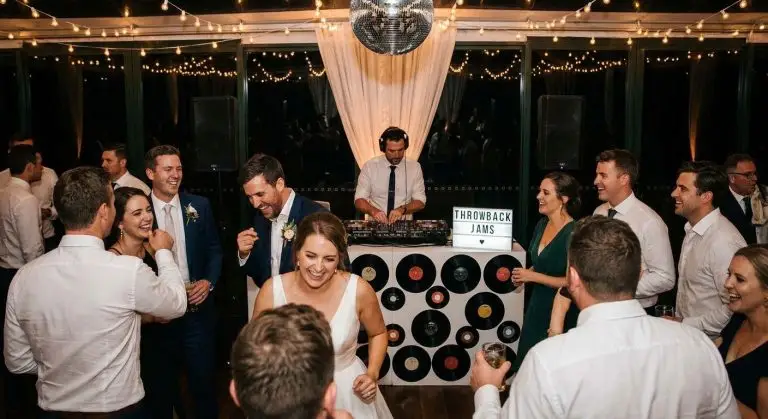
Lighting should feel coordinated, not separate from the rest of the event. When your DJ and event lighting are planned together, the overall presentation is usually smoother. Colors can be selected to complement the room, transitions can happen at the right time, and the dance portion of the evening can build naturally from the more formal parts of the reception.
This is especially helpful when you want a polished flow instead of a patchwork setup from multiple providers. Timing matters at weddings. Your grand entrance, first dance, parent dances, toasts, cake cutting, and open dancing all have different energy. The right lighting supports those moments without forcing attention away from them.
At DJ-BrianC, that kind of coordination matters because couples are not just booking music. They are counting on experienced event support that helps the reception feel organized, comfortable, and memorable.
Common mistakes couples can avoid
One common mistake is choosing a color based only on swatches or inspiration photos without considering the actual venue. Wall color, ceiling height, and room size all affect how uplighting appears. A shade that looks soft online might read much stronger in person.
Another issue is over-lighting the room. If every corner is bright with competing colors, the space can lose the elegance couples were aiming for. Good uplighting should add atmosphere and definition, not visual clutter.
Timing can also be overlooked. Reception lighting should match the moment. During dinner and formalities, subtlety usually works best. Once the dance floor opens, the energy can increase. A lighting plan that respects that progression feels much more natural to guests.
Is uplighting right for every wedding?
Not always, and that is the honest answer. If your venue already has exceptional built-in ambiance, you may not need much added lighting. If your reception is outdoors at sunset with minimal structural surfaces, other lighting approaches may have more impact.
But for many indoor receptions, uplighting is one of the most effective ways to upgrade the overall look of the room without changing the venue itself. It can help a familiar local hall feel custom. It can make a simple room look more elegant. It can also create a stronger sense that the reception space was designed for your celebration, not just borrowed for the night.
That is often what couples want most – a wedding that feels personal, polished, and easy for guests to enjoy.
What to ask before booking uplighting for wedding reception services
Before making a decision, ask how the lighting will be tailored to your venue, how colors will be selected, and whether the setup can shift appropriately from dinner into dancing. You should also ask who is managing the timing on the event day. A good lighting plan is not just about equipment. It is about execution.
You want a provider who understands receptions as live events, not just room setups. Weddings move quickly, and details matter. When the entertainment, timeline, and room atmosphere work together, the whole night feels more comfortable and more polished.
If you are planning a wedding in Maine or nearby New Hampshire, it helps to work with a team that has seen a wide range of venues and understands how to make each space look its best. The right lighting does not need to be flashy to make an impact. It just needs to be well planned, well placed, and right for the room.
A beautiful reception is not only about what guests see. It is about what they feel when they walk in, settle at their tables, and head to the dance floor. Uplighting helps create that feeling, and when it is done well, the room simply feels ready for a great night.