Best DJ Planning Tools for Weddings
Wedding receptions rarely go off track because of one big mistake. More often, the stress comes from a dozen small details that were never clearly organized. That is why dj planning tools for weddings matter so much. When the music, timeline, introductions, special dances, and guest requests are planned in one place, the whole event feels smoother from the first announcement to the last song.
A good wedding DJ does more than show up with speakers and a playlist. The right DJ also helps guide the flow of the evening, keeps vendors aligned, and makes sure the celebration feels personal to the couple. Planning tools are what turn that job from guesswork into a well-run event.
Why DJ planning tools for weddings make such a difference
Most couples start by thinking about songs. They want a great first dance, a packed dance floor, and music their guests will enjoy. Those things matter, but they are only part of the picture. A wedding DJ also needs accurate names for introductions, timing for key moments, notes about family dynamics, preferred genres, songs to avoid, and a clear order of events.
Without that information, even an experienced DJ is forced to make last-minute assumptions. That can lead to awkward pauses, mistimed announcements, or music choices that do not fit the room. A structured planning process prevents that.
This is especially helpful for couples juggling multiple vendors, busy work schedules, and family opinions. Instead of chasing details through text messages and scattered notes, they can work through a clear system that covers the major reception decisions before wedding day arrives.
What the best DJ planning tools for weddings should include
Not every planning form or portal is equally useful. Some are too basic and only ask for song requests. Others collect so much information that couples get overwhelmed and stop using them. The best tools strike a balance. They are detailed enough to support a polished event, but practical enough that real people can complete them without frustration.
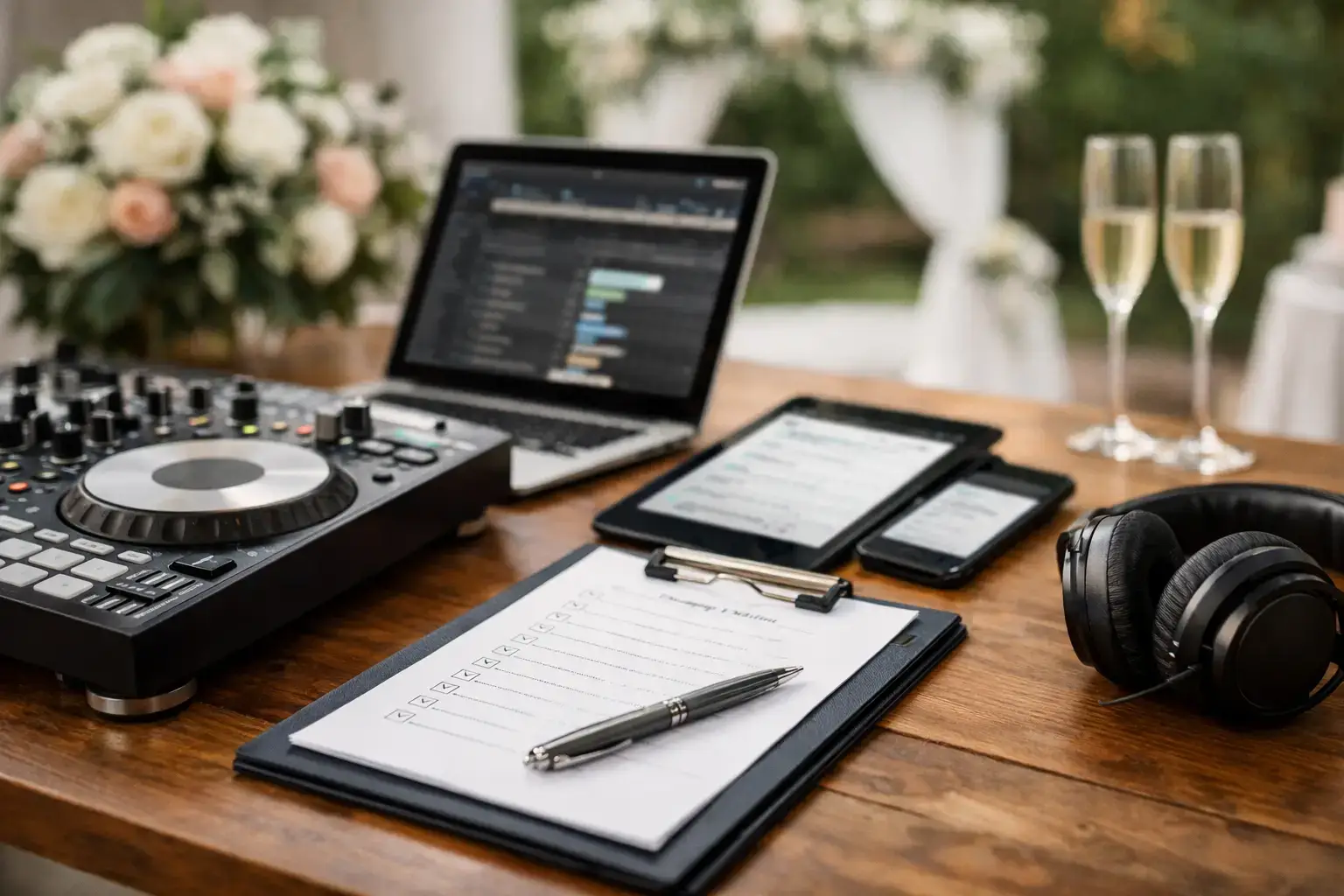
A strong planning system should cover the reception timeline first. That includes cocktail hour, grand entrance, dinner, toasts, parent dances, cake cutting, open dancing, and the final sendoff if one is planned. Timing matters because every piece affects the next. If dinner runs late or speeches are moved, the DJ needs a plan that can flex without losing momentum.
Music preference sections are just as important. Couples should be able to identify must-play songs, preferred genres, and do-not-play selections. This gives the DJ a real sense of the room the couple wants to create. Some weddings need elegant background music early in the evening and high-energy dance sets later. Others want a family-friendly mix all night. The planning tool should make that easy to communicate.
Names and pronunciations are another detail that gets overlooked until it goes wrong. A quality planning tool should ask for full names for introductions, wedding party roles, and phonetic spellings when needed. Getting introductions right sounds simple, but it sets the tone for the reception.
There should also be space for special notes. This is where couples can share details that affect flow, such as divorced parents who should be introduced separately, a surprise anniversary dance, or a guest of honor who should not be put on the spot. These small notes help the DJ handle the event with professionalism and tact.
Planning tools are not just for music
One of the biggest misconceptions couples have is that DJ planning tools only help build a playlist. In reality, they are event coordination tools just as much as music tools.
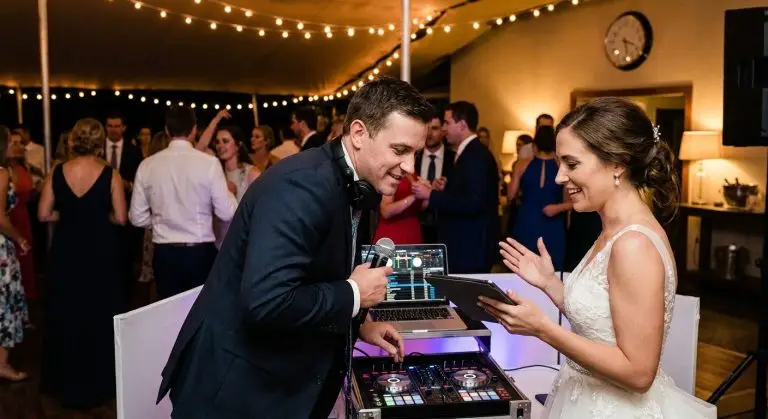
An experienced wedding DJ often acts as one of the few vendors present for nearly the entire celebration. That means the DJ sees how the reception is moving in real time and often helps keep things on schedule. With a solid planning system in place, the DJ can coordinate transitions more confidently and communicate with the photographer, venue staff, and other key vendors when timing shifts.
That matters because weddings are live events. Even with a detailed schedule, things change. Hair and makeup may run late. Dinner service may take longer than expected. Guests may disappear during sunset photos. Planning tools do not eliminate those variables, but they make them easier to manage because the DJ already knows the priorities.
The real benefit is less stress for the couple
Couples do not need more paperwork during wedding planning. They need fewer surprises. That is where useful planning tools earn their value.
When couples can submit music choices, timeline preferences, and key reception details ahead of time, they spend less energy answering questions during the final week. They also feel more confident because they know their DJ is working from real information, not assumptions.
This is especially valuable for couples planning larger weddings or events with mixed age groups. It takes more intention to keep grandparents, college friends, kids, and everyone in between engaged throughout the night. A planning process helps the DJ understand the crowd before the first guest arrives.
There is also peace of mind in knowing nothing important was forgotten. A checklist or client portal can prompt couples to think about things they may not have considered, like anniversary dances, backup songs for key moments, or whether they want guest requests accepted. Those details are easy to miss if the planning process is too casual.
Digital portals versus simple worksheets
There is no single perfect format for every couple. Some prefer an online planning portal they can update over time. Others like a straightforward worksheet or guided consultation where decisions are made together. What matters most is not whether the tool looks fancy. It is whether it actually helps organize the event clearly.
Digital systems are useful because they keep everything in one place and are easy to access during the planning process. They work well for busy couples who want to log in, make updates, and keep moving. They also reduce the chance of losing details in email threads.
At the same time, a tool by itself is not enough. Couples still benefit from working with a DJ who knows how to interpret the information and ask the right follow-up questions. A form can collect song titles. Experience is what helps turn those choices into a reception that flows naturally.
That is the trade-off couples should keep in mind. A highly automated system may be efficient, but it should not replace personal guidance. The best planning experience combines structure with human insight.
How a professional DJ uses planning information on wedding day
The value of planning tools becomes most obvious when the reception is underway. A professional DJ uses the information not as a rigid script, but as a working roadmap.
If the couple wants formal introductions with precise name pronunciations, that is already prepared. If there is a no-play list, the DJ can protect the atmosphere without needing to check in every time a guest makes a request. If dinner is running behind, the DJ can adjust announcements and pacing while keeping the evening comfortable for guests.
This is where experience and preparation work together. Planning tools create clarity, but the DJ still needs to read the room. A packed dance floor may call for extending open dancing before moving to the next formal moment. A quieter crowd may need a different energy curve. Good planning gives the DJ better options, not less flexibility.
What couples should ask before hiring a wedding DJ
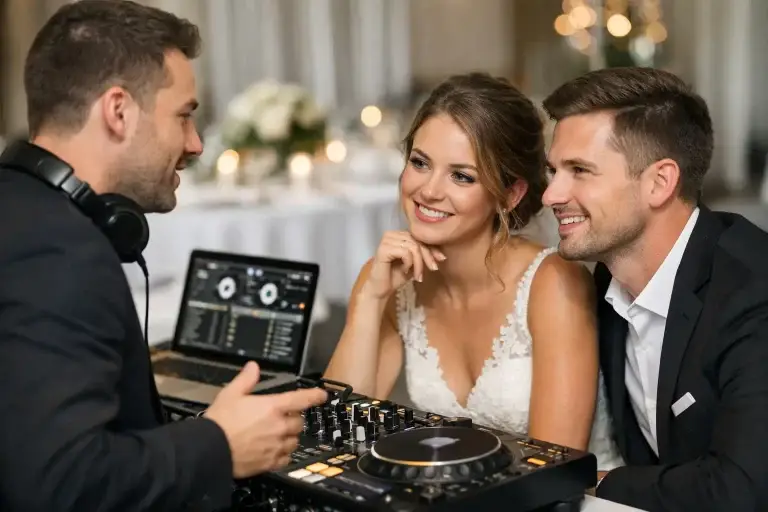
If you are comparing DJs, ask how they handle planning and what tools they provide. Do they offer a structured process for building your timeline? Can you share must-play and do-not-play songs easily? Will they gather details about introductions, formalities, and special requests ahead of time?
You should also ask how much support is included. Some DJs hand over a form and expect couples to figure everything out themselves. Others guide the process, answer questions, and help shape the reception flow based on what works in real events. That difference matters.
For many couples, the better choice is not simply the DJ with the biggest song list. It is the DJ who combines music knowledge with organized planning support. That combination reduces stress and usually leads to a better guest experience.
A well-run wedding reception should feel effortless to the couple and fun for the guests. Behind that easy feeling is usually a lot of thoughtful preparation. If you want a celebration that sounds great, stays organized, and reflects your style, the planning process matters just as much as the playlist. Call DJ-BrianC at (207) 212-6560 to book or have your questions answered!