Wedding DJ Backup Equipment That Matters
A wedding can run ahead of schedule, behind schedule, or straight into a surprise. A dead cable five minutes before introductions is one of those surprises nobody wants. That is exactly why wedding DJ backup equipment matters. It is not about bringing extra gear to look impressive. It is about protecting the moments you cannot redo, from the ceremony processional to the last dance.
When couples compare DJs, they often ask about music style, pricing, and timeline help. Those are smart questions. But one of the most revealing questions is this one – what happens if a speaker, laptop, microphone, or power source fails during my wedding? The answer tells you a lot about how seriously a DJ takes your event.
Why wedding DJ backup equipment is non-negotiable
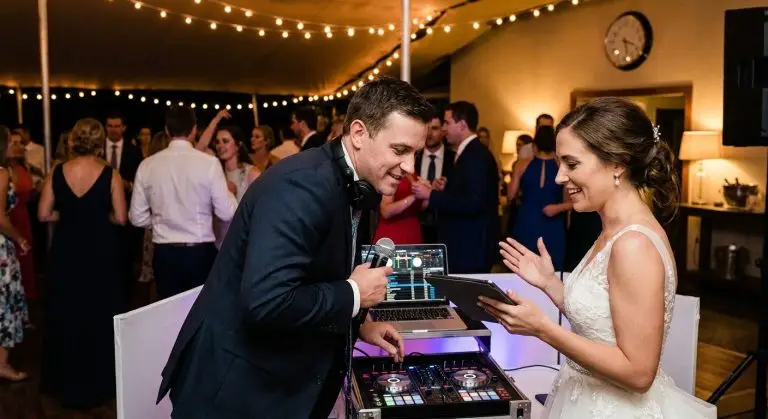
At a wedding, the DJ is often responsible for more than music. The DJ may also manage microphones for the officiant, cue up ceremony songs, handle introductions, support toasts, and keep the reception moving. If one piece of equipment fails, the impact can spread quickly.
A casual party can survive a short interruption. A wedding has less room for that. If the ceremony music drops out while the wedding party is walking in, or the toast microphone cuts during a parent speech, the problem becomes part of the memory. Good preparation lowers the chance of that happening.
Backup equipment also says something about professionalism. Experienced DJs know that electronics can fail even when maintained well. Cables wear out. Batteries die. Files get corrupted. Venues have tricky power situations. The best response is not optimism. It is redundancy.
The most important wedding DJ backup equipment
Not every extra item matters equally. Some backups are essential because they protect the highest-risk parts of the event.
A second music source
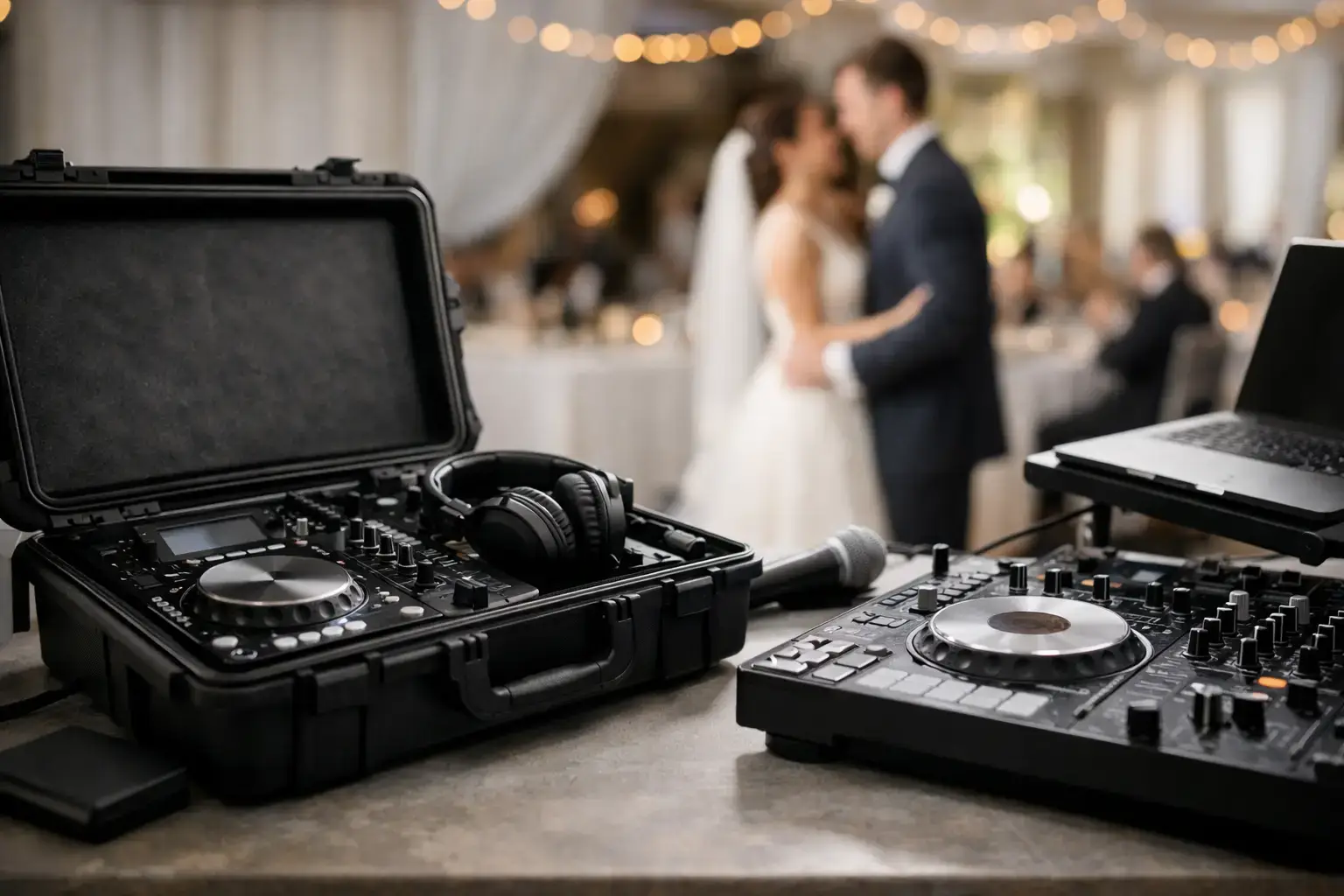
This is one of the biggest ones. If a DJ relies on one laptop or controller and it stops working, there needs to be another way to play music immediately. That could mean a second laptop already loaded with music, a separate controller, or a dedicated backup device ready to feed the sound system.
The key is speed. A backup that takes 20 minutes to unpack and configure is better than nothing, but it is not ideal for a wedding. The strongest setups allow music to resume in moments, not after a long pause while guests stare at the DJ table.
Backup microphones
Wireless microphones are convenient and clean-looking, especially for ceremonies and toasts. They are also one of the most common sources of trouble if batteries weaken, signals get interference, or someone accidentally switches off a transmitter.
A prepared DJ usually has more than one microphone option available. That may include an extra wireless microphone, a wired microphone as a fail-safe, and fresh batteries on hand. A wired mic is not glamorous, but if the goal is making sure grandma can hear the toast, reliability wins.
Extra cables and adapters
This is not the exciting part of a DJ setup, but it is one of the most practical. Many event problems come down to small connections. A damaged audio cable, a missing adapter, or a loose power cord can stop music just as effectively as a failed speaker.
Extra XLR cables, power cords, extension cords, adapters, and audio connectors often make the difference between a brief fix and a major disruption. Guests may never notice those items, and that is the point.
Spare speakers or a second output plan
A full duplicate sound system is not necessary for every wedding, but there should be a realistic backup plan if a main speaker has an issue. For some DJs, that means carrying an extra powered speaker. For others, it means using separate components so one failure does not take down the entire room.
The right choice depends on the event size and layout. A large ballroom with 200 guests requires a different level of redundancy than a small backyard reception. What matters is that the DJ has thought through the risk and prepared accordingly.
Power protection and battery support
Venues are not always kind to electronics. Outdoor weddings, older buildings, and busy banquet spaces can all create power problems. Surges, overloaded circuits, or awkward outlet placement can lead to interruptions.
A professional setup often includes surge protection, battery backups for critical components, and enough extension options to avoid unsafe or unstable connections. This part is especially important for ceremonies, where there may be limited time to troubleshoot once guests are seated.
Backup gear is only useful if the DJ can deploy it fast
Couples sometimes hear that a DJ has backup equipment and assume that settles the issue. It helps, but there is more to it than owning extra gear.
The real question is whether the backup plan is organized. Is the spare microphone already paired and tested? Is the second music source updated with the same playlists and formal songs? Are cables packed in a way that makes them easy to access under pressure? Experience shows up in those details.
A well-prepared DJ does not just bring extra equipment. They build the event setup so it can recover quickly if something goes wrong. That is a major difference between a seasoned wedding professional and someone who mainly handles lower-stakes events.
What couples should ask before hiring a wedding DJ
If reliability matters to you, it is worth asking direct questions during the planning process. You do not need to know technical jargon. You just need to understand whether the DJ has real contingency plans.
Ask what happens if the main laptop fails. Ask whether there is a backup microphone for the ceremony and toasts. Ask how the DJ handles power issues at outdoor venues. Ask whether backup gear comes to every wedding or only certain packages.
The answers should be clear and confident. If a DJ seems vague, dismissive, or overly casual about equipment failure, take that seriously. Weddings are too important for guesswork.
The trade-off between minimal setups and dependable setups
There is always a balance between simplicity and redundancy. Some DJs prefer a lean setup because it is faster to transport and cheaper to operate. That can work fine when everything goes right.
But weddings are not the place to bet on everything going right. More backup gear means more planning, more testing, and usually more cost built into professional service. For couples, that added preparedness often delivers real value. You are not paying for extra boxes. You are paying for reduced risk.
That does not mean every wedding needs duplicate versions of every single component. A smart backup strategy is targeted. The DJ should focus most on the items that would cause the biggest disruption if they failed, especially music playback, speech amplification, and ceremony sound.
How backup equipment supports the guest experience
Most guests will never know what backup systems were in place. They will simply remember that the ceremony sounded clear, the speeches were heard, and the dance floor stayed active.
That smooth experience is the goal. Good wedding entertainment is not just about song selection. It is also about keeping momentum. A technical delay at the wrong time can drain energy from the room. A prepared DJ protects the flow of the night so your guests stay focused on celebrating with you, not on a problem at the booth.
This matters even more during key emotional moments. Your first dance, parent dances, cake cutting, and final send-off all depend on timing. Reliable equipment helps those moments feel polished and easy rather than stressful.
Preparedness is part of wedding professionalism
After more than 30 years in the business, one thing stays true – weddings reward preparation. The best DJs do not just show up with music. They show up with a plan, backup options, and the experience to keep the event moving when conditions change.
That is especially valuable in Maine weddings, where venues can range from elegant indoor spaces to waterfront settings and private properties. Different locations create different technical demands. Having the right wedding DJ backup equipment is part of serving those events well.
When you are hiring a DJ for your wedding, you are trusting them with more than the playlist. You are trusting them with timing, announcements, atmosphere, and moments that matter to your family. Backup equipment is one of the clearest signs that a DJ understands that responsibility.
If you are planning a wedding and want an experienced DJ who takes reliability as seriously as celebration, ask about the setup, the contingency plan, and how your key moments will be protected. Call DJ-BrianC at (207) 212-6560 to book or have your questions answered!