Wedding Timeline Coordination Example That Works
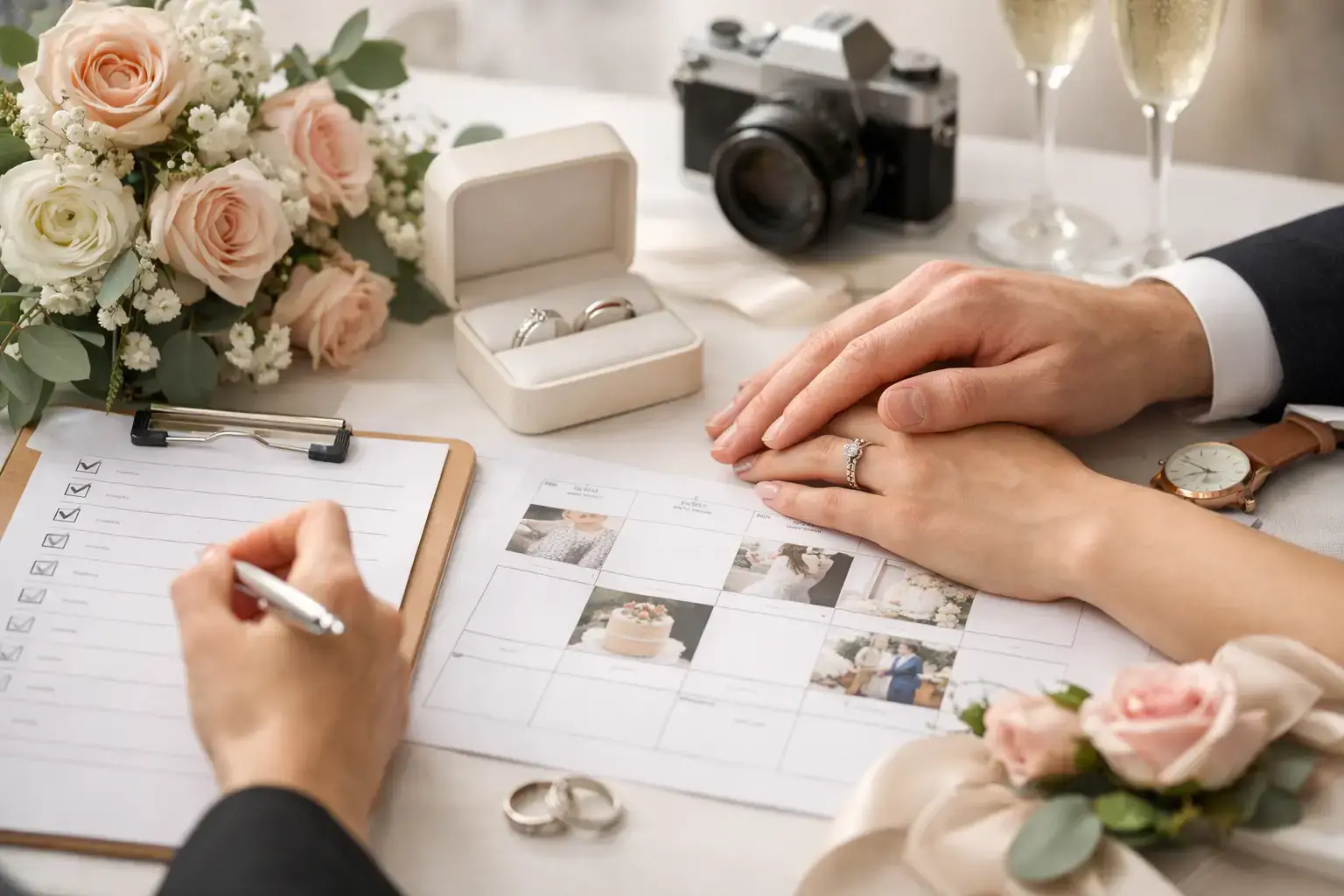
A wedding can feel perfectly planned on paper and still run late by 20 minutes before dinner is even served. That is why a solid wedding timeline coordination example matters so much. The right timeline does more than tell vendors what happens next. It protects the mood of the day, keeps guests comfortable, and gives your DJ or MC the structure needed to move everything forward without making it feel rushed.
Most couples do not need a minute-by-minute script for every second of the wedding. What they do need is a realistic plan with enough structure to keep key moments on time and enough flexibility to handle real life. Hair and makeup can run over. Family photos can take longer than expected. A venue may need extra time to flip a room. Good coordination accounts for that before the first guest even arrives.
A practical wedding timeline coordination example
The example below works well for many traditional wedding receptions with a ceremony, cocktail hour, dinner, formal dances, and open dancing. It is not the only right way to build a wedding day. It is a useful starting point.
Sample timeline for a 5:00 PM ceremony
If your ceremony starts at 5:00 PM, a smooth reception timeline often looks something like this. Guests arrive around 4:30 PM and begin seating. The ceremony runs from 5:00 to 5:30 PM. Cocktail hour follows from 5:30 to 6:30 PM while family and wedding party photos wrap up.
Around 6:30 PM, guests are invited into the reception space and the wedding party introductions begin. The newlyweds are introduced last and move right into their first dance at about 6:40 PM if that is part of the plan. Dinner service usually starts between 6:50 and 7:00 PM.
Toasts often work best once guests have food and everyone is seated, so 7:20 to 7:40 PM is a common window. Parent dances can happen right after dinner or immediately after the first dance depending on the flow you want. Cake cutting often lands around 8:15 PM, especially if dessert service is connected to it. Open dancing can begin around 8:30 PM and continue through the rest of the evening, with any special songs, anniversary dances, or bouquet moments slotted in where they make sense.
For a 10:30 PM end time, many couples plan the last dance around 10:20 PM so there is a clean, memorable finish rather than a slow fade-out.
Why this wedding timeline coordination example works
A good timeline is not just about fitting everything in. It is about pacing. Guests should not be sitting too long without food, waiting too long between major moments, or pulled away from the dance floor every fifteen minutes for another formal event.
This example works because it builds momentum. The ceremony is followed by a natural social period. Guests then move into introductions and dinner without a long dead spot. Toasts and formal dances happen early enough that older guests and family members can enjoy them before the night shifts into a more relaxed party atmosphere.
It also gives vendors room to do their jobs well. Caterers can serve without being interrupted by too many announcements. Photographers know when key moments are coming. Your DJ or MC can guide guests clearly because the event has a sensible rhythm.
Where couples often get the timeline wrong
The most common issue is trying to squeeze too much into too little time. A five-hour reception sounds long until you subtract dinner service, speeches, formal dances, cake cutting, and any travel or room reset time. Suddenly, your dance floor is left with far less time than you expected.
Another problem is stacking formalities back to back without considering guest energy. If introductions, first dance, welcome speech, blessing, salad service, toasts, parent dances, and cake cutting all happen in one block, the event can start to feel more like a checklist than a celebration.
Then there is the opposite problem – leaving too much unstructured time. Guests notice when there is a long gap and no one seems sure what is happening next. That is where experienced coordination makes a difference. A strong DJ or MC does not just play music. They help shape the pace, make clear announcements, and keep the evening moving naturally.
How to adjust the timeline for your wedding style
Not every wedding needs the same structure. If you are planning a shorter reception, you may choose to move the first dance right into the introductions and do toasts during dinner. If dancing is your top priority, you might cut back on extra traditions and open the floor earlier.
If you are hosting a more formal wedding, you may want a larger space between major moments so each one gets proper attention. If your crowd is more casual and ready to celebrate, you may prefer a faster pace with less stopping and starting.
Venue rules matter too. Some locations have strict end times or noise limits. Some caterers need a fixed dinner window. If your ceremony and reception are in different places, travel time has to be built in honestly, not optimistically. Ten minutes on a schedule can turn into twenty very quickly once guests are involved.
Timing tips that make the whole day easier
One of the smartest things you can do is build cushion into the day. If photos usually take forty-five minutes, schedule an hour. If the ceremony could run twenty or thirty minutes, do not create a reception timeline that depends on it ending at exactly 5:22 PM.
It also helps to decide what truly matters most. For some couples, that is a packed dance floor. For others, it is relaxed dinner conversation, sunset photos, or making sure older family members can enjoy all the key moments before heading out. Once priorities are clear, the timeline becomes easier to shape.
Another practical move is assigning one person to be the point of contact on the wedding day. That might be your planner, venue coordinator, or DJ/MC depending on the setup. Couples should not be answering timing questions while trying to enjoy cocktail hour or finish photos.
The DJ’s role in timeline coordination
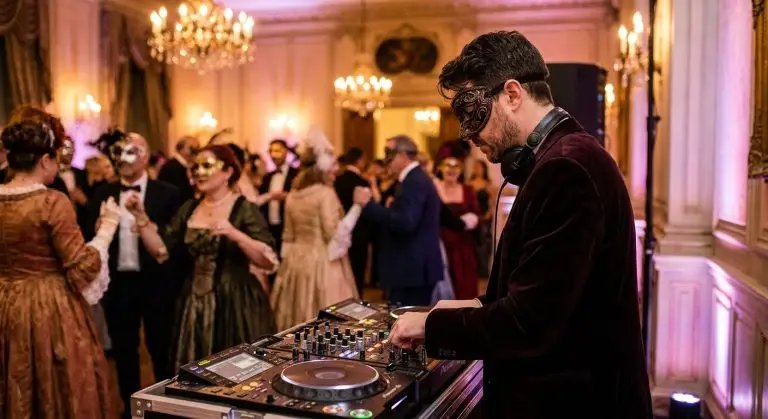
Couples sometimes think of the DJ as the person who starts once dancing begins. In reality, a professional DJ often plays a major role in keeping the entire reception on track. Announcements, introductions, formal dances, speeches, and transitions all depend on timing and communication.
An experienced DJ reads the room and knows when to push the timeline forward and when to give a moment a little more space. If dinner service is behind, they can help adjust. If a photographer needs two more minutes before cake cutting, they can keep guests engaged instead of letting the room drift.
That kind of support matters because weddings are live events, not rehearsed productions. The timeline should guide the night, but it also needs someone who knows how to manage real-time changes without creating stress for the couple or confusion for the guests.
A better way to think about your timeline
Instead of asking whether your timeline is perfect, ask whether it is workable. Does it reflect how your day will actually unfold? Does it leave enough room for the unexpected? Does it support the kind of celebration you want rather than forcing you into a rigid format?
The best wedding timelines are clear, realistic, and built around the guest experience as much as the checklist of traditions. When the flow is right, the night feels easy. Guests know where to be. Vendors know what is next. And the couple gets to enjoy the celebration instead of worrying about what is running late.
If you are building your schedule and want help creating a reception flow that actually works, professional guidance can save a lot of stress. Call DJ-BrianC at (207) 212-6560 to book or have your questions answered!