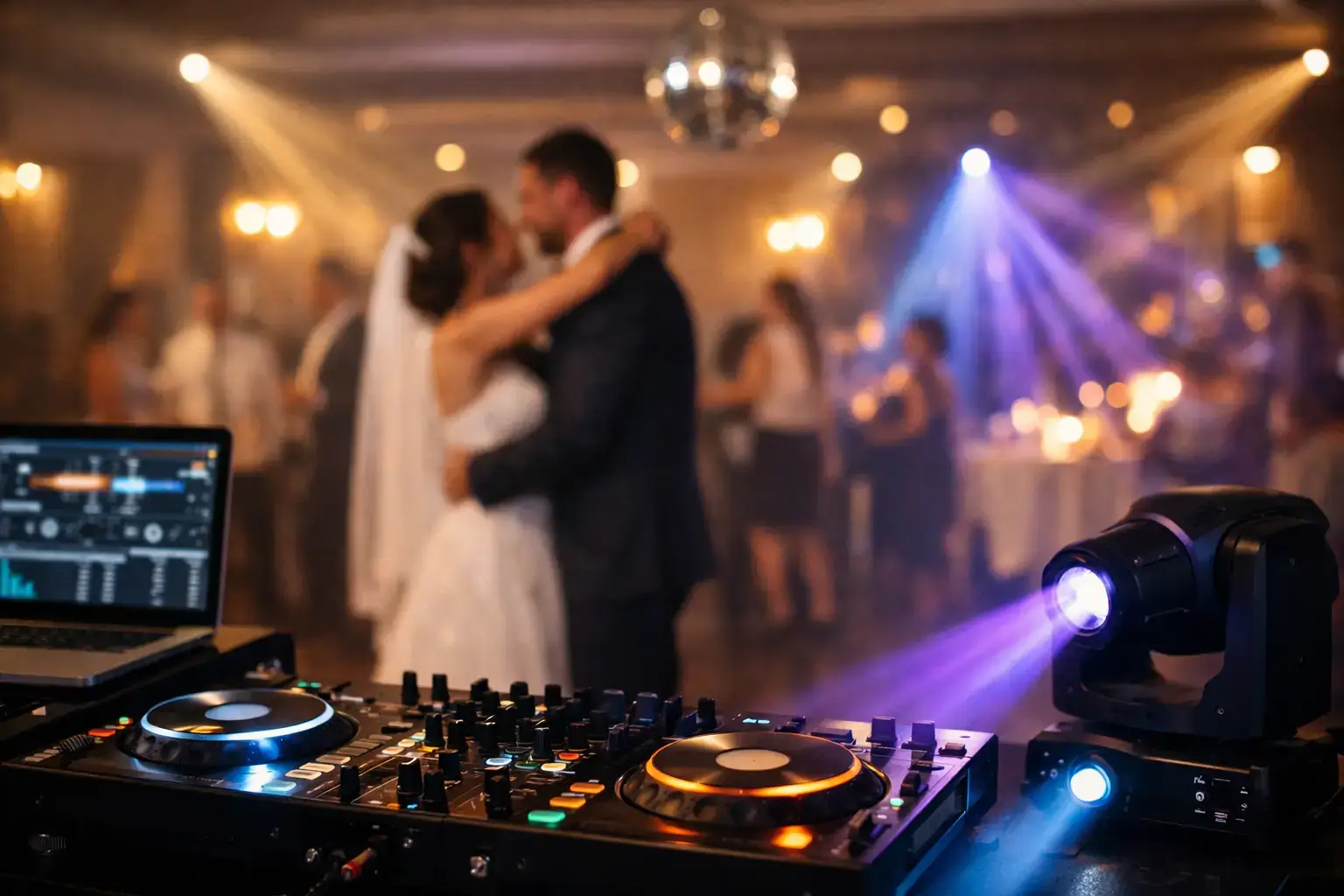
DJ Lighting for Receptions That Feels Right
The room can be beautiful, the meal can be perfect, and the music can be spot on – but if the lighting is wrong, the reception still feels off. Too dark, and guests hesitate to mingle. Too bright, and the dance floor loses energy. That is why dj lighting for receptions matters more than many couples and event hosts realize. It does not just help people see. It helps the night feel organized, welcoming, and ready to celebrate.
For receptions, lighting works best when it supports the flow of the event instead of competing with it. A good setup makes introductions feel polished, keeps dinner comfortable, and gives the dance floor a clear identity once the party picks up. The goal is not to turn the room into a nightclub unless that is exactly what you want. The goal is to match the lighting to the kind of reception you are hosting.
What dj lighting for receptions actually does
A lot of people hear the word lighting and immediately picture flashing beams everywhere. That can be part of it, but reception lighting is usually more thoughtful than that. It helps define spaces, direct attention, and shape energy throughout the evening.
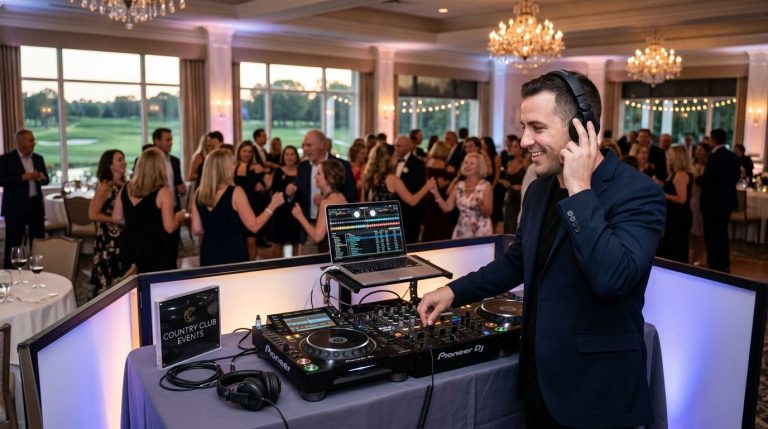
During cocktail hour or dinner, lighting should feel clean and flattering. Guests want to talk, take photos, and relax without harsh glare or distracting motion effects. Later, when open dancing starts, the same room should feel more alive. That shift is where professional lighting makes a real difference. It creates a natural transition from formal event to active celebration.
This is also where experience matters. Lighting is not only about having equipment. It is about knowing when to use it, how much is enough, and when to pull back. A reception needs balance. You want excitement on the dance floor without making the rest of the room uncomfortable for older guests, children, or anyone who prefers a calmer atmosphere.
Matching the lighting to the reception style
Not every reception calls for the same look. An elegant wedding reception, a 50th anniversary party, and a company celebration may all include dancing, but they usually need different pacing and presentation.
For formal receptions, lighting often works best when it stays refined early in the evening. Soft color washes, tasteful effects, and a clean presentation help preserve the look of the venue. Once the key moments are over, the lighting can gradually become more dynamic as the dance floor fills in. That kind of progression feels natural.
For more relaxed or high-energy receptions, the lighting can become part of the entertainment sooner. Guests tend to respond quickly when the dance area is clearly defined and visually active. Even then, there is a trade-off. More movement and stronger effects can raise the excitement level, but too much can overwhelm the room if the venue is smaller or the crowd is mixed in age.
That is why there is no one-size-fits-all lighting plan. The best approach depends on the room, the guest list, the timeline, and the mood you want guests to remember.
The biggest lighting mistakes at receptions
The most common mistake is thinking more is always better. More fixtures, more colors, and more motion do not automatically create a better event. Sometimes they create visual clutter. A reception should feel coordinated, not chaotic.
Another common issue is using lighting that does not fit the space. In a large ballroom, a small lighting setup may disappear. In a smaller hall, an oversized setup can feel intense and distracting. Ceiling height, wall color, room layout, and dance floor placement all affect how lighting will look once guests arrive.
Timing is another factor people often overlook. Receptions change hour by hour. The lighting that works for introductions and toasts is not always the lighting you want during peak dancing. If the setup cannot adapt, the event can feel flat or awkwardly paced.
Then there is guest comfort. Lighting should energize the room without becoming a nuisance. Extremely bright effects, nonstop flashing, or poorly aimed fixtures can make it hard for guests to relax and enjoy themselves. A professional DJ pays attention to that and adjusts throughout the night.
How lighting supports the dance floor
Music gets people interested. Lighting helps get them moving.
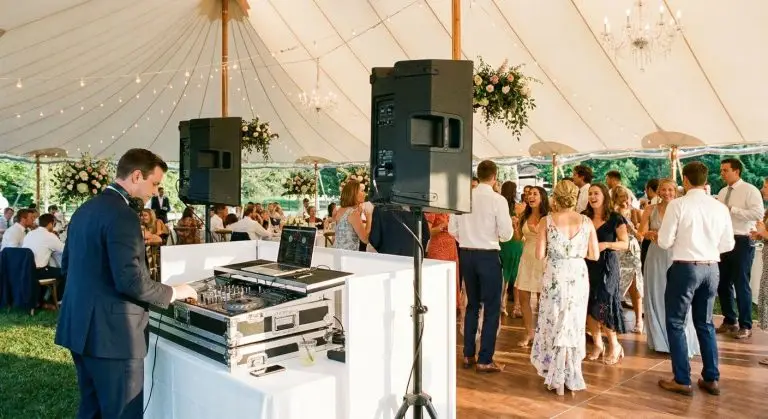
When guests can clearly see where the action is, they are more likely to join in. A defined dance floor creates a focal point. It signals that this is where the celebration is happening. That sounds simple, but it matters. People are more comfortable stepping into a lively, inviting space than wandering into a dim corner and hoping for the best.
Lighting also affects momentum. As the energy builds, the right changes in color and movement can make the room feel more exciting without saying a word. That helps sustain participation. It encourages guests to stay engaged instead of drifting back to their tables after every song.
At the same time, the dance floor should never feel disconnected from the rest of the reception. Guests who are not dancing still want to enjoy the atmosphere. Good lighting keeps the party visible and fun without making seated areas feel harsh or inaccessible.
Why coordination matters as much as equipment
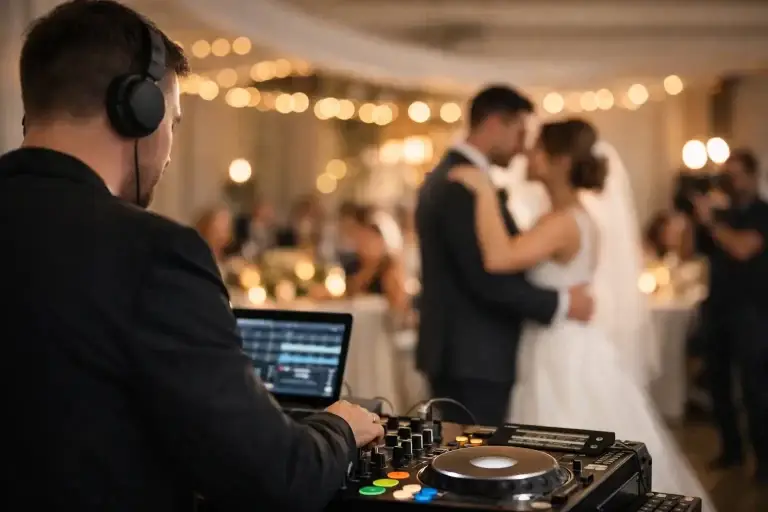
A reception is full of transitions. Grand entrance. First dance. Parent dances. Toasts. Cake cutting. Open dancing. Last song. Lighting should support each of those moments, not interrupt them.
That requires coordination between music, announcements, and room presentation. A dependable DJ does more than hit play and turn lights on. He reads the room, manages timing, and makes adjustments in real time. If the crowd takes longer to warm up, the approach can stay more relaxed. If the dance floor catches fire early, the atmosphere can build faster.
This is one reason event hosts often feel less stress when entertainment and lighting are handled by the same experienced professional. There is less guesswork, fewer communication gaps, and a clearer plan for how the night should unfold.
Questions to ask before choosing reception lighting
If you are comparing entertainment providers, ask how they approach lighting for different parts of the reception. You want to know whether the lighting is treated as an afterthought or as part of the overall event experience.
Ask whether the setup can be tailored to your venue and your crowd. A school dance, wedding reception, and anniversary party should not all look exactly the same. Ask how the lighting changes over the course of the evening. Ask what the setup is designed to accomplish – subtle enhancement, dance floor focus, or a more high-energy party feel.
It is also smart to talk about the guest mix. A reception with a lot of family members across several generations often benefits from a balanced lighting style that keeps dancing fun without making the room feel too intense. A younger crowd may want a bigger party atmosphere. Neither choice is wrong. The key is matching the plan to the people in the room.
A better reception experience starts with the right atmosphere
The best receptions feel easy for guests. People know where to look, when to listen, and when to celebrate. Lighting helps create that rhythm. It adds polish to formal moments and energy to the dance floor, while keeping the room comfortable and inviting.
That is the real value of thoughtful dj lighting for receptions. It is not there just to be noticed. It is there to help the entire event feel more complete, more coordinated, and more memorable for the right reasons.
If you are planning a wedding, anniversary, corporate gathering, or private celebration in Maine or nearby New Hampshire, it helps to work with someone who understands how music, timing, and lighting all come together in a live event. Call DJ-BrianC at (207) 212-6560 to book or have your questions answered! A quick conversation can help you choose a setup that fits your reception, your crowd, and the kind of night you want to create.