How to Coordinate Wedding Introductions
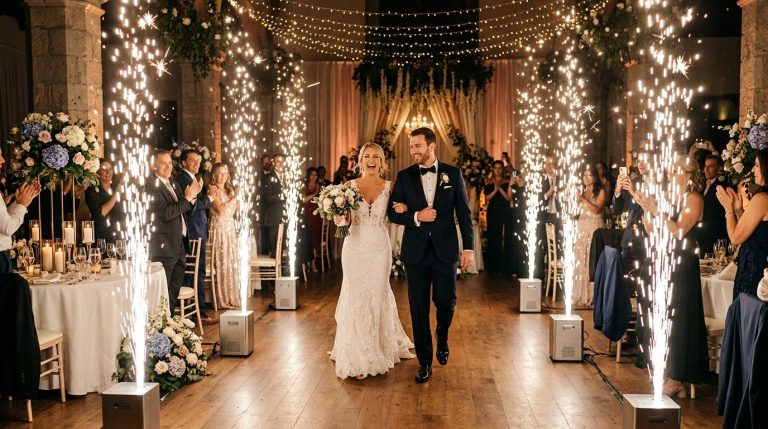
The doors open, the music hits, and every eye turns toward the entrance. That moment can feel effortless for guests, but couples quickly learn that how to coordinate wedding introductions comes down to timing, communication, and a clear plan behind the scenes. When introductions are done well, the reception starts with energy and confidence. When they are rushed or unclear, the room feels hesitant before the night even gets going.
Why wedding introductions matter more than couples expect
Introductions are not just a formality. They set the tone for the reception, tell guests what kind of celebration this will be, and create the first real burst of momentum after cocktail hour. A polished entrance makes the night feel organized. It also helps your wedding party know exactly where to go and what to do, which lowers stress for everyone involved.
This part of the evening also affects the flow of everything that follows. If the introductions are delayed, dinner service can get pushed back. If names are mispronounced or the order is wrong, it creates unnecessary awkwardness. A strong MC and a solid plan keep the event moving while protecting the excitement of the moment.
How to coordinate wedding introductions without last-minute confusion
The best introductions start long before the reception begins. Couples often focus on songs, décor, and seating charts, then leave the entrance order for the final week. That is usually when details get missed. The smarter approach is to treat introductions like a short production. Not a stiff one, but one with a real sequence.
Start by deciding who will be introduced. Some couples want only the newlyweds announced. Others include parents, grandparents, the full wedding party, flower girls, ring bearers, or a mix of those groups. There is no single right answer. It depends on the size of your wedding, the style of your reception, and how formal you want the evening to feel.
Once you know who is being introduced, lock in the order. Traditional order often begins with parents and ends with the couple, but modern weddings are much more flexible. If family dynamics are complicated, a simpler lineup may feel more comfortable. If you have a large wedding party, shorter intros may keep the energy up better than giving every pair a long runway.
Create a written introduction list
A written list is one of the most helpful tools you can have. It should include each person’s full name, the order they will enter, and the exact way they should be announced. This is especially important if anyone uses a nickname, has a unique pronunciation, or prefers not to be introduced with a formal title.
Do not rely on text messages, memory, or verbal instructions passed around during cocktail hour. A written list gives your DJ or MC, your planner if you have one, and your venue team something consistent to follow. That one step prevents a surprising number of mistakes.
Decide on the style of the announcement
Wedding introductions can be elegant, upbeat, playful, or high-energy. The right choice depends on your crowd and your comfort level. Some couples want a grand entrance with each pair dancing in. Others would rather keep it polished and quick, then save the bigger party energy for later in the night.
This is where it helps to be realistic. A big, flashy introduction sounds fun until half the wedding party is shy and unsure what to do. On the other hand, if your group is outgoing and excited, a little room to show personality can get guests engaged right away. The best style is the one that fits the people in it.
Music, timing, and cues make the entrance work
The music choice can completely change the feel of introductions. A strong entrance song gives the room energy and helps cover transitions between pairs. It should feel exciting without dragging on too long. If you plan separate songs for different groups, be aware that more changes mean more coordination.
In most cases, one well-timed song or a simple music sequence works best. The goal is momentum. You want guests clapping, smiling, and paying attention, not waiting through a long pause while the next group figures out whether it is their turn.
Timing matters just as much as the music. Introductions usually happen after guests are seated and before the first dance, blessing, welcome, or dinner service, depending on the reception plan. Your DJ or MC should know exactly what happens immediately before and after the entrance so the energy carries forward instead of stopping cold.
Plan the staging area
Whoever is being introduced needs to be gathered in the right place ahead of time. That sounds simple, but it is one of the easiest parts to lose control of. Someone heads to the bar, someone is in the restroom, and suddenly the entrance is delayed while people are being tracked down.
A staging area keeps everyone together and lets the MC line people up in order. It also gives time for quick reminders. Walk in when your name is called. Pause for a moment. Smile. Keep moving to your assigned spot. Those cues are basic, but they make the entrance look clean and coordinated.
Do a quick pronunciation check
Never assume names are obvious. Even common names can be pronounced differently, and wedding-day nerves do not help. Take two minutes before the reception to confirm pronunciations directly with the people involved or with the couple.
That small effort shows professionalism and respect. It also spares the couple from cringing through one of the most public moments of the night.
Common problems that throw introductions off
Most entrance issues are preventable. The first is an unclear order. If the wedding party is not sure who follows whom, hesitation shows up immediately. The second is lack of communication with the venue. Staff should know when introductions are happening so they are not opening doors, moving service items, or trying to start dinner at the same time.
Another problem is trying to do too much. A very large wedding party, multiple songs, props, and elaborate choreography can work, but only if everybody is committed and prepared. For many weddings, simpler is better. It feels more polished, takes less time, and keeps the focus where it belongs.
Alcohol can also affect introductions more than couples expect. If wedding party members disappear during cocktail hour or come back overly relaxed, timing and behavior can slip fast. That does not mean the group cannot enjoy themselves. It means someone needs to manage the schedule and gather people early enough that the entrance still feels sharp.
The role of a professional DJ or MC
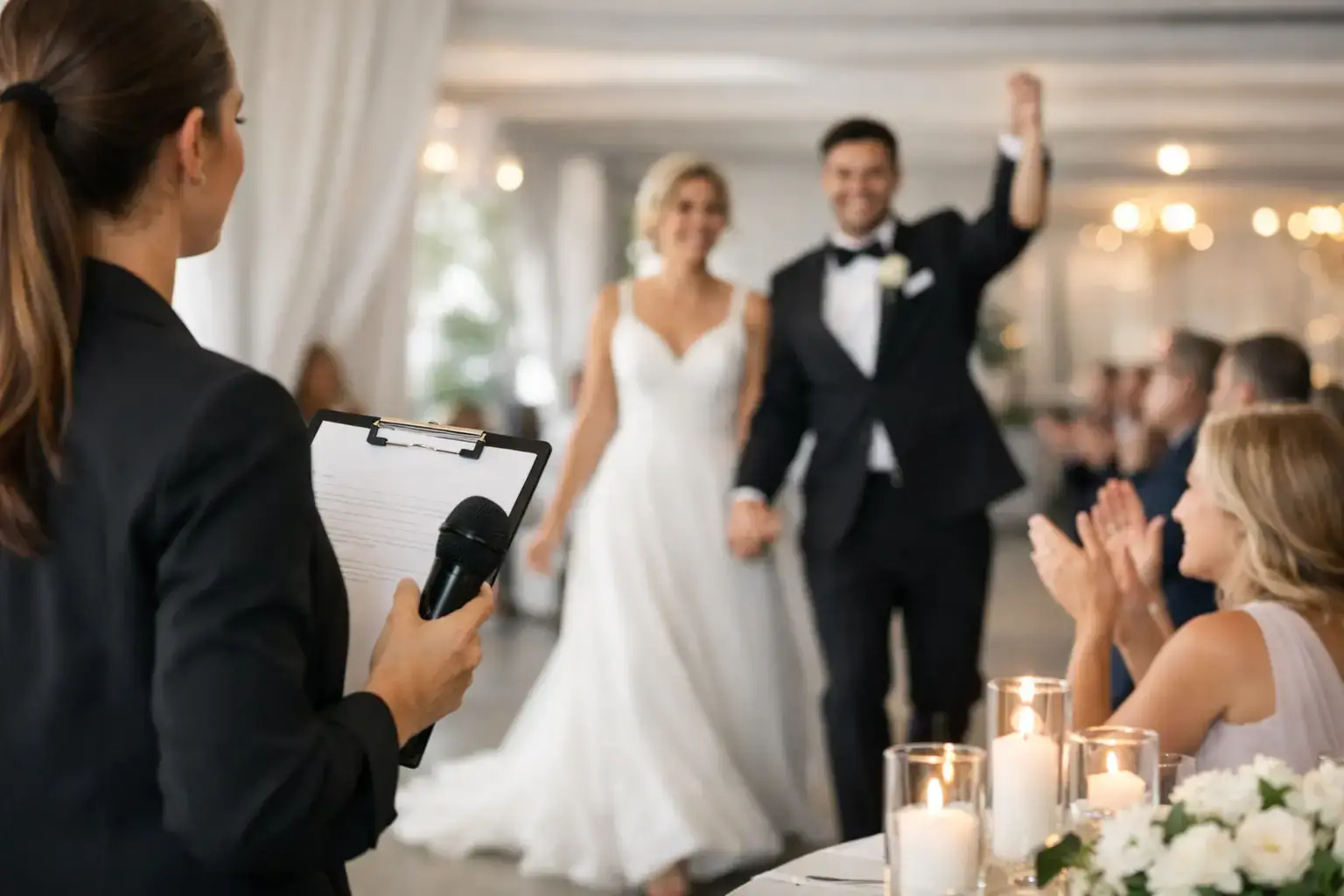
A professional DJ or MC does much more than announce names. They coordinate with the couple, confirm the order, cue the music, line up the wedding party, read the room, and keep the reception moving on time. That matters because introductions sit right at the intersection of entertainment and logistics.
An experienced MC knows when to build excitement and when to keep things understated. They also know how to adapt if something changes. Maybe a parent prefers not to be announced. Maybe a bridesmaid is missing at the last second. Maybe the venue needs a two-minute delay. A seasoned pro can make those adjustments without making the room feel the disruption.
That is one of the biggest differences between a basic playlist service and full event support. Introductions are live, public, and time-sensitive. They need someone who can lead with confidence.
Make it feel natural, not rehearsed
The goal is not to turn your wedding into a stage show. It is to create a smooth, upbeat entrance that feels true to you. If you want formal introductions, keep them crisp and elegant. If you want fun and personality, build that in without making it chaotic.
Give your wedding party just enough guidance to succeed. They do not need a full rehearsal routine. They simply need to know where to stand, when to enter, and what kind of energy you want. That balance is what makes the moment feel polished instead of forced.
A well-coordinated introduction gives the whole reception a stronger start. Guests pay attention. The couple can relax. Dinner and dancing have a better rhythm from the beginning. If you want experienced help managing the details and keeping your celebration on track, Call DJ-BrianC at (207) 212-6560 to book or have your questions answered!